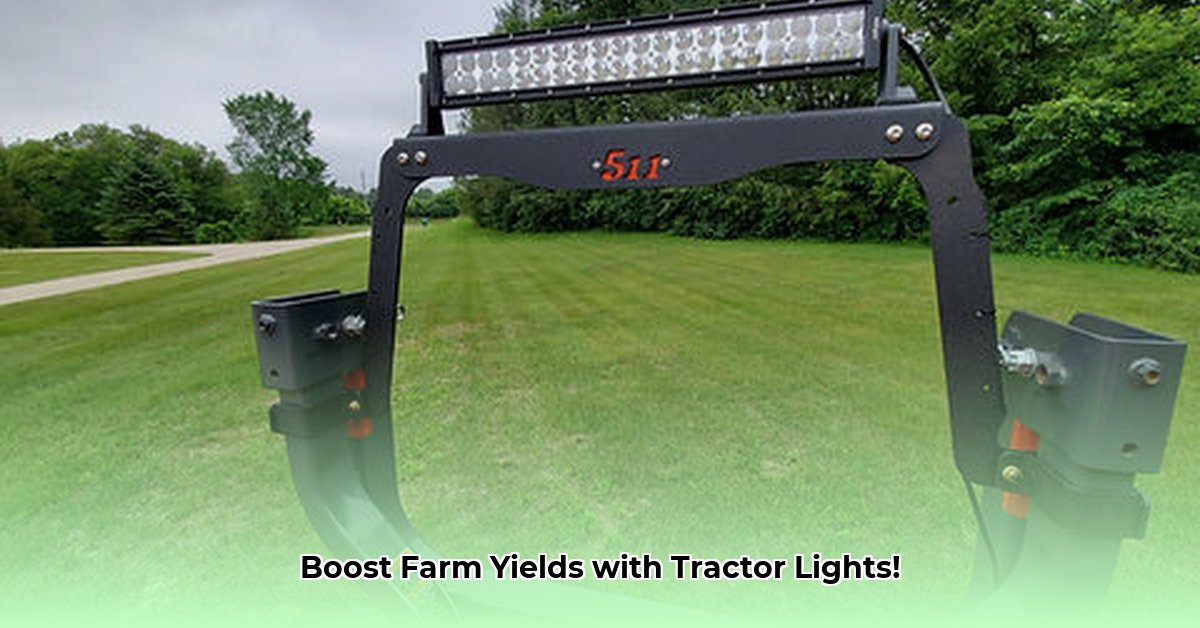
Tractor Light Bars: Illuminating the Path to Sustainable Farming
Farming operations extend beyond daylight hours. To meet modern demands for increased yields and efficiency, many agricultural businesses are leveraging extended working hours. This is where tractor-mounted LED light bars prove invaluable, effectively extending daylight working hours. This comprehensive guide helps farmers select, install, and maintain these crucial tools, maximizing productivity while minimizing environmental impact. We'll explore different light bar types, selection criteria, installation best practices, environmental considerations, and real-world examples to illuminate the path toward a more sustainable and profitable operation. Learn more about modern tractor technology at this helpful resource.
Types of Tractor LED Light Bars: A Detailed Overview
LED technology has revolutionized agricultural lighting, delivering superior brightness and energy efficiency compared to traditional options. Let's examine the key features to consider when selecting LED light bars for your tractor:
Wattage: This indicates the light's power output (measured in watts). Higher wattage equates to brighter illumination but also increased energy consumption. Consider this a trade-off between brightness and operating costs.
Beam Pattern: Different tasks require different beam patterns:
- Spot Beams: Produce a highly focused, long-range beam, ideal for distant object identification.
- Flood Beams: Spread light over a wider area, providing excellent illumination for close-range work.
- Combo Beams: Combine spot and flood patterns, offering versatility for various tasks.
Mounting Options: Secure mounting is paramount. Ensure the light bar is compatible with your tractor's mounting points and is robust enough to withstand vibrations and impacts. Improper mounting poses a significant safety risk.
Ingress Protection (IP) Rating: This rating indicates the light bar's resistance to dust and water ingress. Higher IP ratings (e.g., IP67 or higher) signify greater protection against harsh environmental conditions prevalent in agricultural settings.
Durability: Farm equipment endures rigorous conditions. Select light bars constructed from durable materials, featuring impact-resistant lenses and corrosion-resistant housings to ensure longevity.
Selecting the Right Tractor Light Bar: A Step-by-Step Guide
Choosing the optimal light bar requires a systematic approach. Follow this step-by-step guide to make an informed decision:
Assess Operational Needs: Identify primary applications. Nighttime harvesting requires different illumination than early morning spraying. This dictates wattage and beam pattern choices.
Check Tractor Compatibility: Verify compatibility with your tractor model, ensuring proper fit and secure mounting. Consult your tractor's specifications and the light bar's mounting instructions.
Establish a Budget: Light bars vary significantly in price. Determine your budget before comparing options to avoid exceeding your financial limitations.
Compare Specifications and Features: Don't focus solely on brightness. Compare beam patterns, IP ratings, materials, warranty duration, and features offered by different manufacturers.
Review Farmer Feedback: Consult online reviews and testimonials from other farmers who have used the light bars you are considering. Real-world experiences provide invaluable insights.
Installation, Maintenance, and Safety: Prioritizing Safe Operation
Correct installation and regular maintenance are critical for optimal performance and safety. Always consult the manufacturer's instructions:
Installation:
Preparation: Gather necessary tools and disconnect the tractor battery to prevent electrical shocks. Carefully study the installation manual.
Mounting: Securely attach the light bar to designated mounting locations using the provided hardware. Ensure a firm and stable fit.
Wiring: Connect the wiring according to the instructions, double-checking all connections for proper fit and secure connections.
Testing: Reconnect the tractor's battery and thoroughly test the light bar to ensure proper functionality.
Maintenance:
Regularly clean lenses to maintain optimal light output. Dust and debris accumulation significantly reduce brightness.
Periodically check for loose connections, wiring damage, or any signs of wear and tear. Address any issues promptly.
Safety:
Always wear appropriate safety gear during installation and maintenance.
Never operate machinery in low-light conditions without adequate illumination.
Regularly inspect the light bar's condition and replace any damaged components without delay.
Environmental Impact and Regulatory Compliance: Sustainable Practices
While LED technology offers significant energy savings, responsible use remains crucial. Consider the following:
Energy Consumption: Higher wattage translates to increased energy consumption. Balance brightness with energy efficiency.
Light Pollution: Excessive nighttime light can negatively impact wildlife. Minimize light pollution by using light shields or directing light downward.
End-of-Life Management: LED light bars contain recyclable materials. Proper disposal is essential for environmental protection. Check local regulations for proper recycling guidelines.
Regulatory Compliance: Agricultural lighting regulations vary by region. Consult relevant authorities to ensure compliance with all safety and environmental standards.
Case Studies and ROI: Real-World Results
While comprehensive data on yield enhancement remains limited, anecdotal evidence suggests increased productivity and efficiency due to extended working hours. One farmer noted a 15% increase in harvested hectares per day. Further research is needed to fully quantify these benefits. However, the enhanced safety alone–reducing accidents and associated downtime–justifies the investment for many operations.
Cost-Benefit Analysis: A Sound Investment
The initial investment in high-quality LED light bars may seem substantial. However, the potential long-term benefits often outweigh the initial expense. The increased productivity, reduced labor costs, and enhanced safety dramatically improve return on investment. The potential for yield increases alone can offset costs many times over.
Conclusion: Illuminating the Future of Sustainable Agriculture
A well-chosen tractor light bar can significantly impact farm operations, enhancing safety, productivity, and efficiency. By carefully considering the factors outlined in this guide, farmers can make informed decisions, illuminating their way to greater success in sustainable agriculture.